Botanical Cat: A Designer's Review for Business
In the competitive world of small business merch, the difference between a generic product and a standout brand asset often comes down to a single design choice. As an experienced embroidery designer who has reviewed thousands of machine embroidery designs for commercial use, I approach every new file with a critical eye. Today, I am reviewing the Botanical Cat, a whimsical design that promises to spruce up fabrics for t-shirts, towels, and home decor. But does this playful concept translate effectively into professional small business merch, branded patches, and uniform accents? Let’s dive into how this Cats category design performs in real-world commercial applications.
First Impressions: Visual Personality and Brand Fit
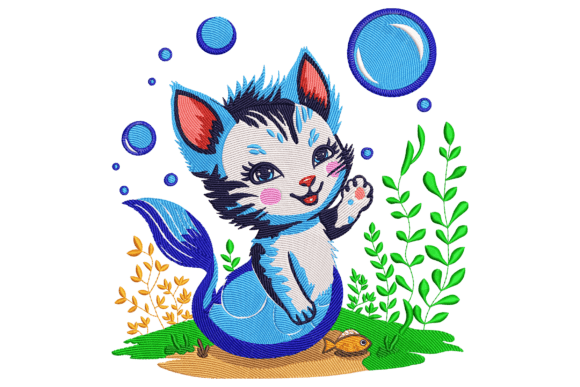
At first glance, the Botanical Cat strikes a balance between rustic charm and modern elegance. The combination of feline features with botanical elements suggests a brand identity that is organic, friendly, and approachable. For businesses like local cafés, boutique florists, handmade soap brands, or pet-friendly bakeries, this design offers a visual hook that feels curated rather than mass-produced. It avoids the cartoonish pitfalls of some digital embroidery files by integrating nature-inspired motifs that elevate the perceived value of the finished product.
However, the "fun and whimsical" nature described in the product details requires careful placement. While it brings personality to any item, a design this detailed can overwhelm a minimalist brand. If your company culture relies on sleek, corporate professionalism, this might feel too decorative. Conversely, for handmade product lines where storytelling is key, the Botanical Cat serves as an excellent narrative device, instantly communicating warmth and creativity to potential customers.
Performance in Real Business Scenarios
The true test of any embroidery file lies in its versatility across different substrates and products. Here is how the Botanical Cat holds up when applied to various commercial needs:
- Embroidered Patches: This design excels as a detachable patch. The botanical outlines provide natural borders that work well when backed with twill or felt. For custom apparel lines, these patches allow customers to personalize their own jackets or denim vests, increasing engagement and perceived value.
- Staff Uniforms and Aprons: Imagine a barista or a florist wearing an apron featuring the Botanical Cat on the chest pocket. It acts as a subtle branding element that doesn't dominate the uniform but adds a layer of character. Apron embroidery with this motif signals a welcoming atmosphere to walk-in customers.
- Cap Embroidery: Caps are tricky due to curved surfaces, but the compact nature of this design makes it suitable for the front panel of a baseball cap. It works best as a logo accent rather than a large back-of-cap print, maintaining readability from a distance.
- Tote Bag Design: For eco-conscious brands, a tote bag design featuring this cat and plant motif is a strong marketing tool. When placed on sturdy canvas, the texture of the fabric complements the organic feel of the design, making it a premium giveaway item.
- Product Packaging Accents: Small versions of this design can be embroidered onto fabric gift bags or ribbon labels attached to jars and boxes. This transforms standard packaging into a tactile experience that enhances unboxing moments.
Strategic Considerations for Production
While the aesthetic appeal is high, practical application requires vigilance. As a designer, I advise caution when scaling this specific machine embroidery design. The intricate details of the leaves and whiskers mean that stitch density could become an issue if the design is reduced too much.
When producing embroidered patches or applying the design to textured fabrics like heavy wool or thick cotton, you must ensure the needle penetrates cleanly without distorting the delicate lines. On dark uniforms, the contrast of thread colors becomes critical. Lighter greens and creams used for the botanical elements may require underlay stitching to prevent the dark fabric from showing through, which can muddy the final look. Always review the hoop size requirements before committing to a bulk run; if the design requires a large hoop, it limits the types of garments you can use, such as fitted polos or sleeves.
Furthermore, consider the durability factor. Items like staff shirts and aprons undergo frequent washing. High-density areas in the botanical sections should be tested to ensure they do not pucker the fabric over time. Using the proper stabilizer is non-negotiable here. A cut-away stabilizer is often better for stretchy or heavy-duty fabrics to maintain the integrity of the design after multiple wash cycles.
Impact on Brand Identity and Customer Trust
Choosing the right design assets directly influences customer trust and recognition. The Botanical Cat creates a cohesive visual language that can tie together a diverse product line. When a customer sees this consistent motif on a tote bag, a staff apron, and a promotional patch, it reinforces brand recall. This consistency signals professionalism and attention to detail, traits that small businesses need to compete with larger retailers.
For Etsy sellers and craft business owners, this design elevates the presentation of handmade goods. It moves the perception from "homemade" to "artisanal." In the digital age, where buyers cannot touch the product before purchasing, high-quality mockups are essential. Creating a printable mockup that showcases the Botanical Cat on various items helps visualize the final result for clients, reducing hesitation and increasing conversion rates.
Designer Notes for Commercial Success
Before integrating the Botanical Cat into your production workflow, follow these essential steps to ensure a successful outcome:
- Test in Black and White First: Print the design at 100% scale to check legibility without color distractions. Ensure the botanical lines do not merge into blobs.
- Verify Scalability: Check if the design remains crisp at small patch sizes (under 3 inches). If details disappear, simplify the file or increase the size.
- Inspect Thread Contrast: Plan your thread colors against your darkest and lightest fabric options. Avoid low-contrast combinations that hide the details.
- Confirm Licensing: Since this is for business use, always confirm the commercial licensing terms of the digital embroidery file. Ensure you have the rights to produce merchandise for sale.
- Run a Fabric Test: Never skip the physical test on the actual fabric you intend to sell. Check for puckering, thread breakage, and tension issues.
- Create Client Mockups: Use software to generate realistic images of the design on your specific products for client approval before cutting any thread.
The Botanical Cat is more than just a cute image; it is a versatile tool for building a distinct brand presence. Whether used for commercial embroidery projects, event merch, or everyday retail items, its success depends on thoughtful execution. By respecting the technical limitations of the stitch count and focusing on quality materials, small business owners can leverage this design to create memorable, high-value products that resonate with their audience.