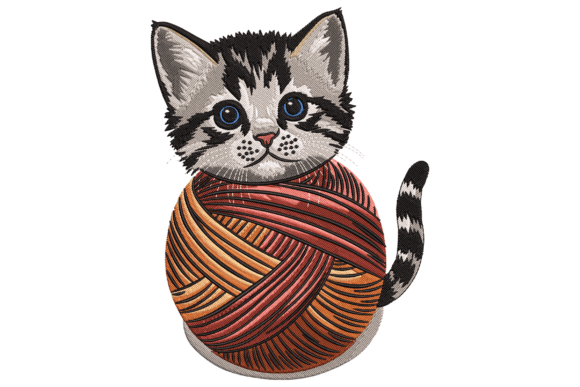
Kitten in a Yarn Ball: A Craft Fair Review
As an experienced embroidery designer who has spent countless weekends setting up booths and navigating the chaotic beauty of craft fairs, I know that not every design translates well from the computer screen to the finished product. When evaluating a new machine embroidery design like Kitten in a Yarn Ball, my primary focus is not just on how cute it looks in the preview window, but on its viability as a high-converting craft fair product. Does it pop under harsh fluorescent lighting? Is it durable enough for daily use? And most importantly, will a passerby stop and reach into their wallet?
The concept of a kitten tangled in a ball of yarn is timeless within the realm of Cats and Embroidery. It taps into a universal love for pets and the cozy aesthetic of handmade goods. However, the execution determines whether this becomes a best-seller or a dusty item at the back of the table. Let's break down how this specific design performs when moved from a digital file to real-world applications.
First Impressions: Charm Meets Commercial Viability
At first glance, Kitten in a Yarn Ball feels soft, whimsical, and undeniably approachable. It strikes a balance between modern minimalism and a slightly rustic, farmhouse vibe that currently dominates the handmade market. For an Etsy seller or a boutique maker, this design offers immediate visual appeal without being overly cluttered. The "quirky accent" mentioned in the description suggests a playful energy that works exceptionally well for gift-giving occasions.
In a crowded booth filled with serious art pieces and generic trinkets, a design that evokes a smile often wins. This particular motif has that "stop-and-smile" factor. It is bold enough to catch the eye but gentle enough to fit into various home decor styles. Whether you are targeting cat lovers, knitters, or simply people who appreciate cute things, this design hits the sweet spot of emotional connection.
Product Performance: Where Does It Shine?
When preparing a table display, placement is everything. I have tested similar designs across a variety of substrates, and here is where Kitten in a Yarn Ball truly excels:
- Tote Bags and Market Bags: This is arguably the strongest application. A large version of this design on a sturdy canvas tote bag creates a statement piece. The texture of the yarn in the design complements the woven texture of the bag, making it a perfect tote bag design for shoppers looking for eco-friendly yet stylish options.
- Tea Towel Embroidery: Kitchen linens are a staple for handmade markets. Placing this design in the corner of a high-quality linen or cotton towel adds a touch of personality to a functional item. The contrast of colorful thread against natural fabric makes the kitten stand out beautifully.
- Apron Embroidery: For the culinary crowd, an apron featuring this design on the bib or pocket area is charming. It signals a fun, creative cook. Just ensure the design is positioned away from areas that get heavy washing or oil stains.
- Embroidered Patches: Creating patches allows for versatility. Customers can sew them onto denim jackets, backpacks, or hats. This turns one embroidery file into multiple revenue streams. The dense stitch count usually required for patches ensures durability.
- Pillow Covers and Small Pouches: These are excellent impulse buys. A small pouch for knitting needles or a decorative pillow cover featuring the kitten adds instant charm to a home. They are lightweight, easy to ship, and photograph well for online listings.
Production Realities: Stitch Density and Fabric Texture
While the concept is simple, the technical execution requires attention. As a designer, I always advise testing the stitch density before committing to batch production. Designs involving "yarn" textures can sometimes become too dense if the software fills the area too tightly. If the stitches are packed too closely, the design may pucker on softer fabrics like t-shirts or towels.
Furthermore, consider the fabric texture. On a smooth cotton tee, the design will look crisp. However, on a thick terry cloth towel, the loops of the fabric can interfere with the tiny details of the kitten's face or the strands of yarn. You may need to adjust your stabilizer choice. A cut-away stabilizer is often better for stretchy fabrics like tees, while a tear-away might suffice for stiff canvases or towels. Always run a test on scrap fabric that matches your final product material.
Another critical factor is the hoop size. Ensure your machine can accommodate the design dimensions. If the design is too large for your hoop, you risk misalignment during the stitching process, which ruins the professional look of the finished product. Conversely, if you try to scale it down too much for a cap or a small patch, the intricate details of the yarn might disappear, leaving a blurry mess.
Visual Appeal and Brand Consistency
For creative entrepreneurs building a brand, consistency is key. Kitten in a Yarn Ball offers a versatile color palette. By changing the thread colors, you can adapt this single design to fit seasonal themes. Use pastels for spring, warm oranges and browns for autumn, or reds and greens for the holidays. This flexibility allows you to keep your booth display fresh without purchasing new design assets.
Photography plays a massive role in sales, both online and in person. This design photographs exceptionally well because of its depth. The raised texture of the embroidery catches light differently than flat prints, adding a tactile quality that customers want to touch. When creating a printable mockup for your Etsy shop or social media, ensure the lighting highlights these dimensional qualities. A good photo of the stitching detail can increase perceived value significantly.
Practical Designer Notes for Success
To maximize your success with this design, follow these practical steps before your next market:
- Test First: Never skip the test run on scrap fabric. Check for puckering, thread breaks, and alignment issues.
- Check Contrast: Ensure your thread colors contrast well with your fabric. A white kitten on a white towel won't sell; a navy or gold thread will make it pop.
- Review Licensing: Before selling any commercial embroidery products, confirm your license terms. Ensure you are allowed to sell finished goods made from this digital embroidery file.
- Create Mockups: Produce at least one real physical sample for each product type (towel, bag, patch) to display at your booth. Seeing the item in hand convinces buyers more than any image.
- Inspect Details: Look closely at the kitten's eyes and the yarn strands. If they are too thin, they might not stitch out clearly on textured surfaces. Adjust the file settings if necessary.
In conclusion, Kitten in a Yarn Ball is a strong contender for any handmade business. It combines the evergreen appeal of cats with the cozy comfort of yarn, creating a product that feels both premium and accessible. With careful attention to stitch density, fabric choice, and color coordination, this design can become a standout hero product at your next craft fair or a top-rated listing on your online store. It is a reminder that sometimes, the simplest ideas, when executed with care, yield the most profitable results.