Rose Fairy: A Boutique Sweatshirt Design Review
As an embroidery designer who has spent years curating collections for small boutique brands, I approach every new machine embroidery design with a critical eye. The difference between a generic craft item and a premium piece of custom apparel often lies in the subtleties of the digital file itself. Today, I am reviewing Rose Fairy, a design from the Fairy Tales category, to determine if it holds up under the scrutiny of a professional sweatshirt drop. For Etsy sellers and handmade business owners looking to elevate their brand identity, understanding how a design translates from screen to fabric is essential.
First Impressions: Mood and Visual Weight
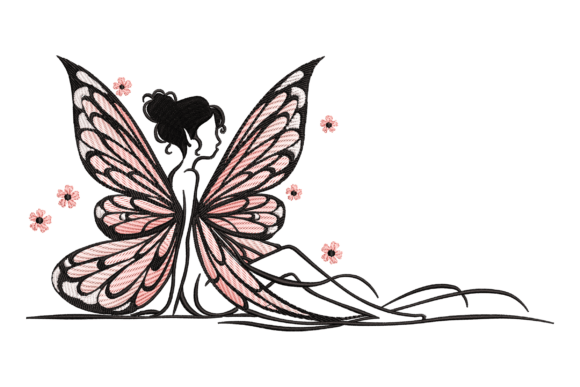
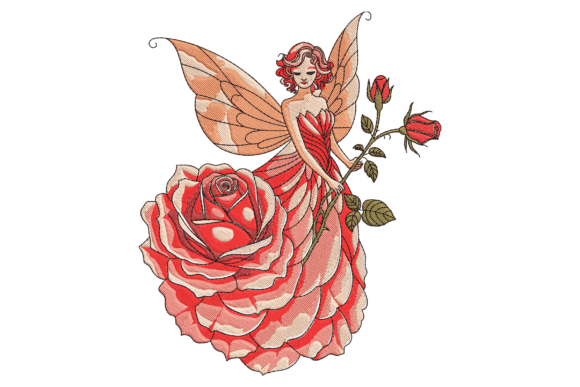
When I first opened the digital embroidery file for Rose Fairy, the immediate impression was one of whimsical charm. The description promises a "fun and quirky flair," and visually, the layout delivers on that promise without feeling cluttered. The composition balances the organic curves of roses with the delicate lines of a fairy figure, creating a focal point that feels both feminine and playful. However, for a premium sweatshirt collection, the key question is whether this cuteness translates into perceived value.
In the context of a boutique brand, the design needs to feel intentional rather than accidental. Rose Fairy succeeds here by offering enough detail to look handcrafted but maintaining a clean silhouette that prevents the stitching from becoming muddy. The mood is undeniably cozy and seasonal, making it an excellent candidate for autumn or winter collections where customers seek comfort and storytelling in their clothing. It avoids the trap of being too minimal, which can sometimes look cheap on thick fabrics, while also avoiding excessive density that might cause puckering.
Application on Premium Sweatshirts and Hoodies
The true test of any embroidery design is its versatility across different garment types. I envision Rose Fairy working exceptionally well on neutral-colored sweatshirts. Imagine a heather grey or oatmeal-colored oversized hoodie; the contrast would allow the thread colors to pop, giving the finished product a high-end, curated look. On dark fabrics like charcoal or midnight blue, the design would require careful thread selection to maintain visibility, but the inherent brightness of the rose petals suggests it could create a striking, magical effect against deep backgrounds.
For placement, the chest area is the most logical choice for a standard hoodie design. The scale of Rose Fairy appears suitable for a left-chest logo application, adding a subtle touch of personality without overwhelming the wearer. Alternatively, for those aiming for a bold statement, scaling the design for the back of a sweatshirt could transform a basic garment into a centerpiece of a lifestyle collection. Sleeve accents are another possibility; a smaller version of the fairy peeking out near the cuff could add a delightful surprise element that encourages customer engagement and social media sharing.
Color Strategy and Fabric Texture
One of the primary concerns when moving from a printable mockup to physical production is color contrast. The Rose Fairy design relies heavily on the interplay between floral tones and skin tones. When selecting thread colors, I would recommend using slightly saturated shades to ensure they stand out against the texture of fleece or cotton blends. Pastel sweatshirts paired with metallic or variegated threads could elevate the design further, aligning with the "charming update" mentioned in the product description.
Fabric texture plays a crucial role here. Sweatshirts have a nap, which can sometimes obscure fine details. The design's line work must be robust enough to cut through the fuzz of the fabric. If the stitch count is too low, the fairy's features might get lost in the loops of the material. Conversely, if the stitch density is too high, the heavy stabilizer required to support it might make the sweatshirt stiff and uncomfortable. As a designer, I would advise checking the file settings to ensure the density is optimized for mid-weight knits.
Practical Considerations for Commercial Use
Before committing to a full production run, there are several technical aspects of Rose Fairy that need verification. First and foremost, you must check the specific hoop size requirements. While the design looks compact, machine embroidery on stretchy knitwear requires precise hooping. If the design exceeds the hoop capacity, you risk distorting the garment during stitching. Always test on a scrap piece of similar weight fabric to gauge tension.
Stabilizer choice is non-negotiable for sweatshirt embroidery. A tear-away stabilizer might leave residue or fail to support the weight of the thread on a thick hoodie. A cut-away or water-soluble option is likely necessary to maintain the integrity of the finished product after multiple washes. Durability is a major factor for buyer trust; if the design cracks or pulls after a few cycles, it damages the reputation of your small shop product.
Furthermore, consider the readability of the design at smaller scales. If you plan to use Rose Fairy as a small accent on a pocket or sleeve, ensure the intricate details of the fairy's wings and the rose petals do not become indistinguishable blobs of thread. This is a common pitfall in commercial embroidery where designs are scaled down without adjusting the stitch parameters.
Elevating Brand Identity and Sales
For an Etsy seller or creative entrepreneur, the right design asset can significantly impact sales. Rose Fairy offers a narrative element that resonates with buyers looking for unique, story-driven pieces. In lifestyle product photography, this design allows for creative staging—think dried flowers, vintage books, and soft lighting—that enhances the "Fairy Tales" theme. These visual cues help build a cohesive brand identity that stands out in a crowded marketplace.
Using a high-quality embroidery file signals professionalism. Customers can tell the difference between a sloppy, poorly stitched design and one that is crisp and well-planned. By choosing a design like Rose Fairy that balances whimsy with structural integrity, you demonstrate attention to detail. This builds customer confidence and encourages repeat purchases. The design acts as a badge of quality, transforming a simple sweatshirt into a collectible item.
Final Verdict for Boutique Collections
After a thorough review, Rose Fairy presents a compelling opportunity for small clothing brands and apparel decorators. It captures a specific aesthetic that is currently trending: the blend of nostalgia and modern streetwear. Whether used for a limited seasonal drop or as part of a core collection, the design has the potential to enhance the perceived value of your garments.
However, success depends on execution. Ensure you verify the stitch count and file specifications before ordering bulk thread. Test the design on your specific fabric swatches to confirm that the thread colors and stitch density work harmoniously with your chosen sweatshirt material. With proper planning and attention to the technical details of machine embroidery, Rose Fairy can be the star of your next boutique collection, bringing a touch of magic to everyday wear.