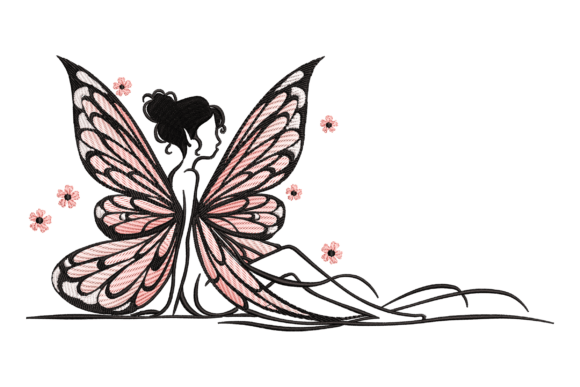
Fairy with Butterfly Wings: A Designer's Review
As someone who has spent years evaluating machine embroidery designs for both personal projects and client work, I approach every new file with a critical eye. The market is flooded with generic patterns, but occasionally, a design arrives that feels like it was made for a specific moment in the creative process. That is exactly how I felt when I first opened the Fairy with Butterfly Wings file. It promises to transform fabrics with a touch of charm, but does it hold up under the scrutiny of real-world production? Let’s dig into the practical application of this whimsical asset.
The First Impression: Whimsy Meets Wearability
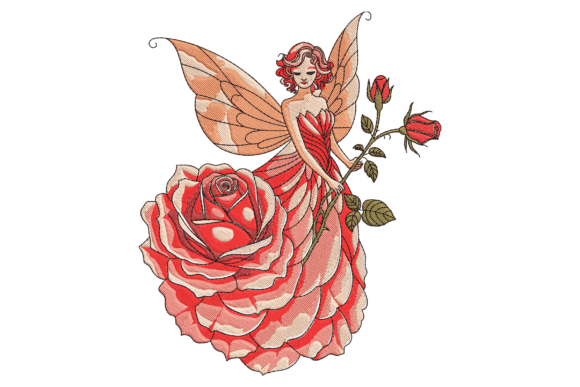
When you first load the Fairy with Butterfly Wings onto your screen, the mood is immediately established. It leans heavily into the Fairy Tales aesthetic without feeling childish or overly cluttered. The layout suggests a balance between intricate detail and open space, which is crucial for successful stitching. For an Etsy seller or a boutique owner looking to add a fun and quirky accent to their inventory, the visual personality here is distinct. It isn't just a random motif; it feels like a character that belongs on a storybook page or a nursery wall.
However, my initial assessment always moves from "cute" to "functional." Does the shape translate well to thread? The silhouette appears solid enough to maintain its integrity even when stitched on textured surfaces. The butterfly wings seem to utilize a mix of fill and satin techniques, which usually indicates a good play on texture. This is vital because flat, monotonous fills can sometimes look cheap on a finished product, whereas varied stitch types add depth and perceived value.
Testing the Waters: A Real-World Scenario
To truly understand the potential of this embroidery project, I imagined a specific use case: creating a line of custom embroidered tote bags for a local craft fair. Tote bags are tricky; they often have thick seams, uneven tension, and varying fabric weights. If I were to place the Fairy with Butterfly Wings on a sturdy cotton canvas bag, the design would likely pop beautifully against the natural beige or off-white background.
Picture the final product: a shopper holding a tote bag where the fairy seems to flutter across the fabric. The thread colors would need to be carefully selected to ensure the wings don't blend into the background. If using a light-colored bag, opting for vibrant pinks, purples, or teals for the wings would create the necessary contrast. Conversely, if this design were applied to a dark charcoal sweatshirt, the lighter threads would make the fairy glow, turning a standard piece of custom apparel into a standout item. The key here is that the design is versatile enough to adapt to different color palettes while maintaining its core charm.
Applicability Across Product Lines
Beyond tote bags, the versatility of this digital embroidery file opens doors for various handmade products. Here is how I see it performing in different categories:
- Baby Embroidery: The gentle curves and magical theme make it perfect for baby blankets, onesies, or pillow covers. Parents love unique, personalized gifts, and a fairy motif fits seamlessly into nursery decor.
- Holiday Gifts: As we approach gifting seasons, this design works well for holiday embroidery projects. Imagine it stitched onto a tea towel or a small throw blanket as a hostess gift.
- Commercial Merchandise: For a small shop product line, this could serve as a signature logo or brand accent on aprons or caps, provided the scale is adjusted correctly.
- Personalized Apparel: On a sweatshirt or t-shirt, the design adds a layer of personality that mass-produced graphics simply cannot achieve.
Navigating Challenges: Where Caution is Needed
While the Fairy with Butterfly Wings is promising, no design is foolproof. As a professional, I must highlight where this file requires extra attention to avoid costly mistakes. One major consideration is the hoop size. If the design is large, it may not fit into smaller hoops commonly used for hats or pockets. You will need to verify the dimensions before attempting to stitch it on curved surfaces like caps.
Another critical factor is stitch density. Designs with high density can cause puckering on thin or stretchy fabrics. If you plan to use this on a delicate blouse or a lightweight summer dress, you must test it on scrap fabric first. Using the proper stabilizer is non-negotiable here. Without adequate backing, the intricate details of the fairy's wings might pull the fabric, ruining the drape of the garment.
Furthermore, consider the fabric texture. While the design looks great on smooth cotton, placing it on a highly textured knit or a napped fabric like fleece can obscure fine details. The running stitch elements might get lost in the pile of the fabric, making the image look muddy rather than crisp. In such cases, simplifying the thread palette or choosing a bolder version of the design might be necessary.
Maximizing Value and Professionalism
For the craft business owner, the goal is always to elevate the perceived value of the finished product. A well-executed Fairy with Butterfly Wings design does exactly that. It signals care and craftsmanship. When a customer sees a clean, sharp embroidered patch or a perfectly placed motif on a shirt, their trust in your brand increases. They perceive the item as a premium personalized gift rather than a quick knock-off.
Visual appeal directly impacts buyer engagement. On platforms like Etsy, high-quality photos of your printable mockup or actual stitched samples can make or break a sale. Ensure your lighting highlights the texture of the satin stitch and the sheen of the thread. Show the design in context—on a pillow, a bag, or a child's outfit—to help customers visualize the end result.
Practical Designer Notes for Success
Before you commit to a full run of products, follow these steps to ensure the best results:
- Test on Scrap Fabric: Never skip this step. Stitch the design on a swatch of the actual material you intend to use to check for puckering and alignment.
- Review Thread Contrast: Ensure the thread colors stand out against your fabric. Dark backgrounds require bright threads, and vice versa.
- Check Stabilizer Needs: Determine if you need tear-away, cut-away, or water-soluble stabilizer based on the fabric weight.
- Inspect Small Details: Zoom in on the digital preview to ensure tiny elements won't disappear during stitching.
- Verify Licensing: Confirm whether this machine embroidery design allows for commercial use. Selling items with unlicensed designs can lead to legal issues.
- Mockup Testing: Create black and white previews to see how the shape holds up without the distraction of color.
Final Thoughts on Fairy with Butterfly Wings
In conclusion, the Fairy with Butterfly Wings is a strong contender for anyone looking to inject magic into their Embroidery portfolio. It balances whimsy with practicality, making it suitable for everything from holiday embroidery to everyday custom apparel. However, its success relies heavily on your preparation. By respecting the limitations of your materials, choosing the right stabilizers, and testing thoroughly, you can turn this digital file into a tangible masterpiece.
Whether you are a hobbyist decorating a nursery or a small shop product creator building a brand, this design offers a wonderful opportunity to showcase your skills. Just remember: the best handmade product is one where the design serves the fabric, not the other way around. With careful execution, this fairy will surely take flight on your next project.