Cornflower Daisy: A Craft Fair Design Review
As an experienced embroidery designer who has spent countless weekends setting up booths at local craft fairs and managing a digital shop for handmade goods, I know that not every design translates well to a retail environment. When I first opened the Cornflower Daisy file, my immediate goal was to determine if this piece would grab attention on a crowded table or get lost in the shuffle of other Bouquets. This review breaks down exactly how this machine embroidery design performs when turned into real-world products.
First Impressions: The Visual Appeal of Cornflower Daisy
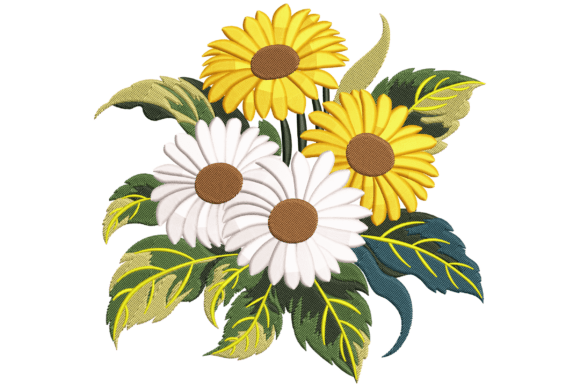
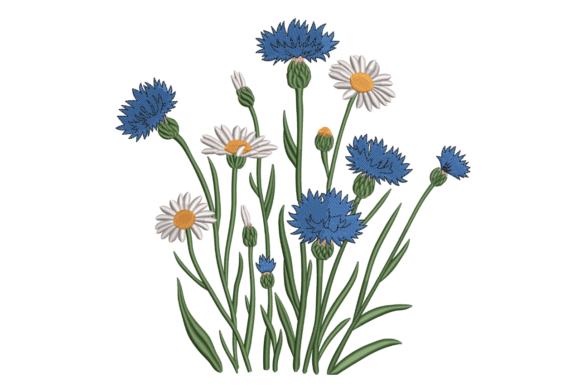
The moment you load the Cornflower Daisy into your software, it exudes a specific charm that fits perfectly within the current handmade market trends. It strikes a balance between rustic farmhouse aesthetics and modern elegance. Unlike overly complex floral arrangements that can look muddy from a distance, this design feels clean and distinct. For a craft fair product, clarity is king. Customers walk by quickly; they need to understand what they are looking at in less than three seconds. Cornflower Daisy achieves this with its recognizable petal structure and soft color palette suggestions.
This digital embroidery design does not feel cluttered. Instead, it offers a fresh, artistic detail that elevates ordinary fabrics. Whether you are aiming for a boutique maker vibe or a cozy, small shop product aesthetic, the design holds its own. It is neither too childish nor too formal, making it versatile enough for a wide range of demographics, from young parents looking for nursery items to adults seeking elegant kitchen decor.
Product Placement: Where Cornflower Daisy Shines
When preparing my booth display, I always test designs across various substrates to see where they perform best. Here is how Cornflower Daisy translates across different handmade products:
- Tote Bag Design: This is likely the strongest application. Placed centrally on a canvas tote bag, the Cornflower Daisy becomes a statement piece. The scale allows the flower details to pop without overwhelming the bag. It works exceptionally well as a reusable market bag, which is a staple item for any craft fair.
- Apron Embroidery: Positioning this design on the bib of a linen apron adds a touch of whimsy. It transforms a utilitarian item into a giftable piece. The organic shape of the daisy complements the texture of natural fibers, enhancing the handmade quality.
- Tea Towel Embroidery: Kitchen textiles are high-volume sellers. Using Cornflower Daisy on a tea towel creates a charming, functional art piece. The design stands out against white or light-colored terry cloth, though care must be taken with the nap of the fabric.
- Embroidered Patch: For those selling smaller accessories, converting this into a patch is a smart move. Patches are easy to ship and stack neatly on display tables. The Cornflower Daisy patch appeals to the DIY crowd who want to customize their own jackets or backpacks.
- Pillow Covers and Caps: On pillow covers, the design serves as a lovely accent. However, on curved cap surfaces, you must verify the hoop size and distortion levels. Generally, flat flowers like daisies work better on structured caps than on unstructured ones.
Selling Power and Customer Engagement
For an Etsy seller or a physical booth owner, the visual appeal of the finished product dictates sales. Cornflower Daisy excels in photography. When creating printable mockups or taking photos for online listings, the contrast between the thread colors and the background fabric creates depth. This depth translates well on screens, encouraging clicks.
In a live setting, the design draws the eye. Its soft, inviting nature invites customers to touch the fabric. There is something about floral Embroidery that suggests warmth and care. By using this design, you signal to the buyer that your brand values quality and attention to detail. It helps build brand consistency if you are curating a collection around botanical themes. The design is repeatable, meaning you can produce batches of identical items for inventory while maintaining a premium look.
Practical Production Notes for Makers
While Cornflower Daisy is a strong contender, successful production requires technical precision. As a designer reviewing this file, I recommend the following steps before committing to a full run:
- Test on Scrap Fabric: Never skip the test stitch. Run the design on a scrap of the exact fabric you intend to use. Check for puckering, especially if you are working with thinner materials.
- Check Thread Contrast: The magic of this design lies in its color interplay. Ensure your thread colors provide enough contrast against the base fabric. If you are using dark fabric, you may need to adjust the stabilizer or consider a backing layer to prevent show-through.
- Review Stitch Density: Dense areas can cause fabric to pucker, while sparse areas might leave gaps. Inspect the Cornflower Daisy file for these issues. If the density is too high for textured towels, you may need to reduce the fill stitches slightly.
- Confirm Hoop Size: Verify that the design fits comfortably within your standard hoops. If you are using a 4x4 hoop, ensure there is enough margin so the hooping marks do not interfere with the visible part of the design.
- Use the Right Stabilizer: For items like caps or thick denim, a cutaway stabilizer is essential. For delicate linens used in tea towels, a water-soluble topping might be necessary to protect the fabric texture during stitching.
Cautionary Details and Limitations
Even the best designs have limitations. When scaling Cornflower Daisy down for very small applications, such as keychains or tiny pouches, watch out for tiny details becoming indistinguishable. The petals might merge, losing the definition that makes the daisy appealing. Additionally, if you plan to use this on highly textured fabrics like heavy waffle weave or bouclé, the needle may struggle to penetrate evenly, leading to skipped stitches.
Be mindful of lettering if you choose to add text alongside the flower. Small lettering often gets lost in the texture of the fabric or the complexity of the surrounding stitches. Keep text minimal and legible to maintain the professional finish of your commercial embroidery products.
Final Verdict for the Creative Entrepreneur
The Cornflower Daisy is a robust addition to any digital seller's library. It successfully transforms ordinary fabrics into stunning pieces, living up to its promise. For the craft fair product line, it offers a blend of practicality and beauty that resonates with buyers. It is an excellent choice for creating handmade gifts that feel personal yet polished.
Before you finalize your inventory, remember to confirm your commercial licensing terms. If you are planning to sell the finished embroidered items, ensure your license allows for it. If you are selling the embroidery file itself, make sure you have the rights to distribute the digital asset. With proper testing and thoughtful application, Cornflower Daisy can become a bestseller in your booth or online shop, proving that sometimes, the simplest blooms yield the most profitable harvest.